
SPECIALISED TREATMENT
Dental Fluorosis Treatment in Hyderabad:
Causes, Types & Treatment Options
White streaks, chalky patches, yellow-brown stains or an uneven enamel surface can sometimes be signs of dental fluorosis. Dental fluorosis develops while permanent teeth are forming, after excessive fluoride exposure during childhood. Once the teeth have erupted, the enamel changes are permanent, but their appearance can often be improved with carefully selected cosmetic dental treatment.
At Mohan Dental Clinic, dental fluorosis is assessed according to the pattern, depth and severity of the enamel changes—not simply by the colour of the teeth. Treatment may range from conservative enamel microabrasion or professional whitening in selected mild cases to composite bonding or porcelain veneers when discoloration or surface defects are more pronounced.
- Assessed by pattern, depth and severity of enamel changes
- Microabrasion, whitening, bonding or porcelain veneers
- Least invasive predictable option first
- Kukatpally and Kondapur branches
Looking for dental fluorosis treatment in Hyderabad?
Consult Dr. Mohan Rayapudi at Mohan Dental Clinic. Appointments are available at our Kukatpally and Kondapur branches for diagnosis, treatment planning and cosmetic smile improvement.
ABOUT
What Is Dental Fluorosis?
Dental fluorosis is a developmental change in tooth enamel caused by excessive fluoride exposure while the enamel of permanent teeth is forming. Fluoride in the correct amount is useful for preventing tooth decay, but too much fluoride during the years of tooth development can alter enamel mineralisation.
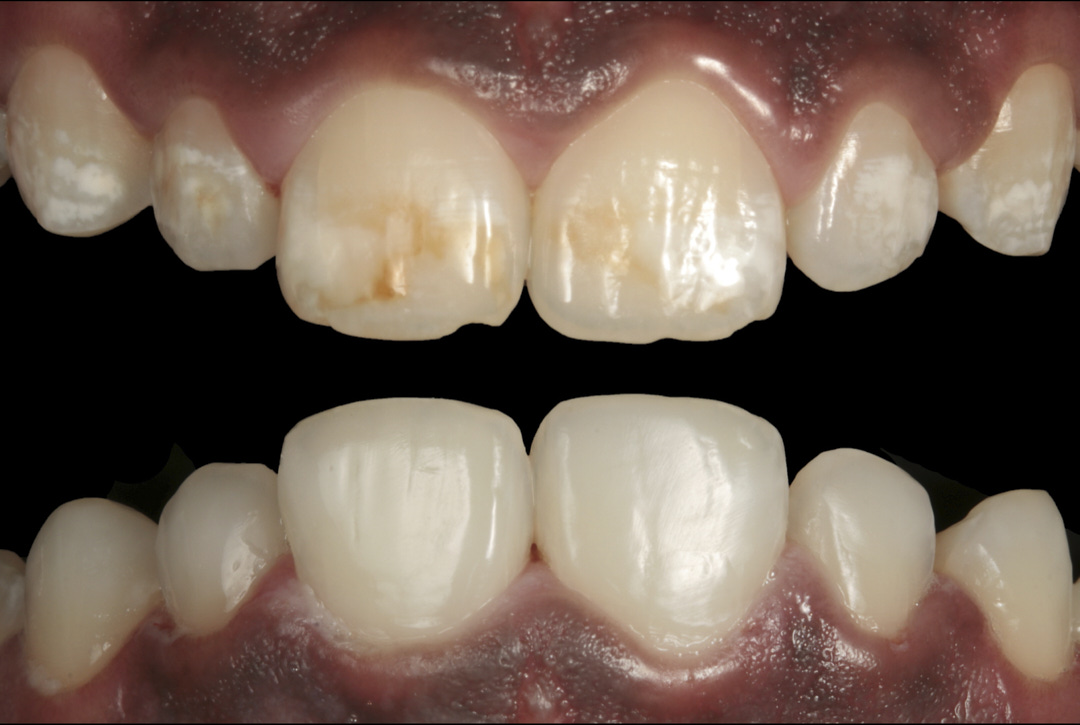
Fluorosis usually affects several teeth in a broadly symmetrical pattern. Very mild fluorosis may be visible only as fine white lines or faint cloudy areas. More noticeable cases can show larger opaque patches, yellow-brown discoloration, mottling, surface roughness or pitting.
Important distinction
Adults do not suddenly “develop” dental fluorosis from normal fluoride toothpaste use. The enamel change occurs during tooth development. An adult may only become more aware of fluorosis that has been present since the teeth erupted.
APPEARANCE
What Does Dental Fluorosis Look Like?
The appearance varies considerably from one person to another. Common features include:
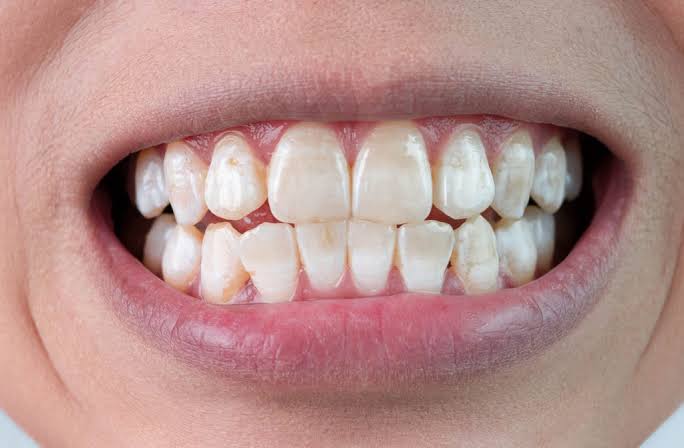
White Streaks
Fine white lines or streaks across the enamel
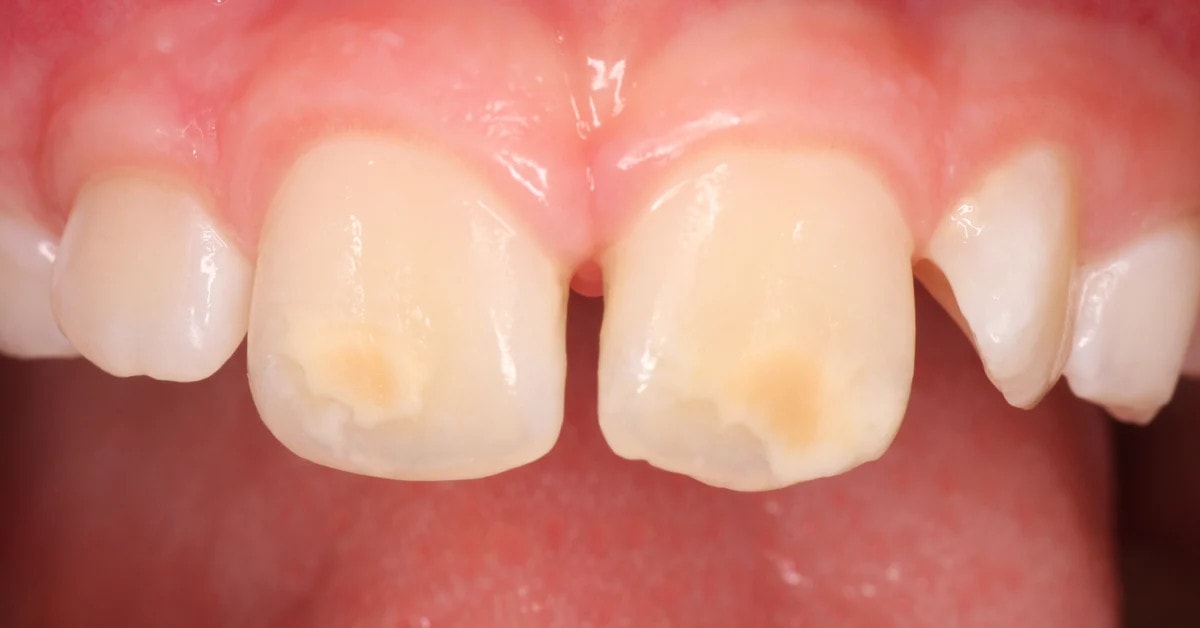
Opaque Patches
Chalky or cloudy white patches
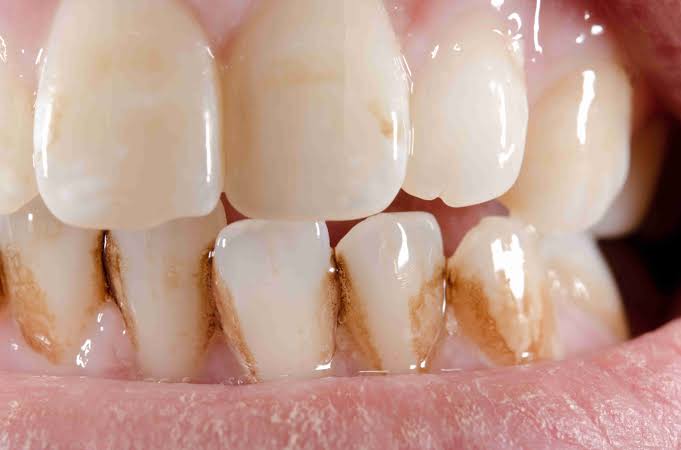
Brown Discoloration
Yellow, tan or brown discoloration in more noticeable cases
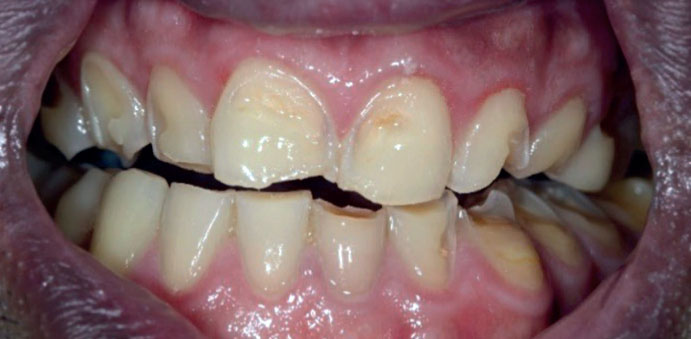
Surface Changes
Uneven enamel texture
Small pits or surface defects in severe fluorosis
- A mottled appearance affecting several teeth
- Changes that often appear on corresponding teeth on both sides of the mouth
Not every white spot or brown mark is fluorosis. Early tooth decay, enamel hypoplasia, post-orthodontic white spots, trauma-related enamel defects and other developmental conditions can look similar. This is why diagnosis should come before cosmetic treatment.
CAUSES
What Causes Dental Fluorosis?
Dental fluorosis is associated with excessive fluoride intake during the period when permanent teeth are developing. The amount, timing and duration of exposure all influence how the enamel is affected.
Possible sources of excess fluoride exposure during childhood include:
- Drinking water with naturally high fluoride levels
- Regular swallowing of fluoride toothpaste by young children
- Fluoride supplements used when they are not indicated
- Exposure to several fluoride sources at the same time
- Food or beverages prepared with water containing high fluoride levels
In India, naturally elevated fluoride in groundwater is an important public-health issue in a number of regions. If a household relies on borewell or groundwater and there is concern about fluoride exposure, water testing through an appropriate laboratory or public-health service can be useful.
IMPACT
Is Dental Fluorosis Harmful?
Very mild and mild dental fluorosis is often primarily an aesthetic concern. The teeth may be healthy but have visible white lines or mottling. Moderate and severe fluorosis can produce more obvious discoloration and, in some cases, pitting or surface irregularity that may require restorative treatment.
Dental fluorosis itself should also be distinguished from skeletal or systemic fluorosis. A person with dental fluorosis does not automatically have skeletal fluorosis. If there is a history of long-term high-fluoride exposure together with bone or joint symptoms, medical evaluation may be appropriate.
SEVERITY
Dental Fluorosis Severity: Mild, Moderate and Severe
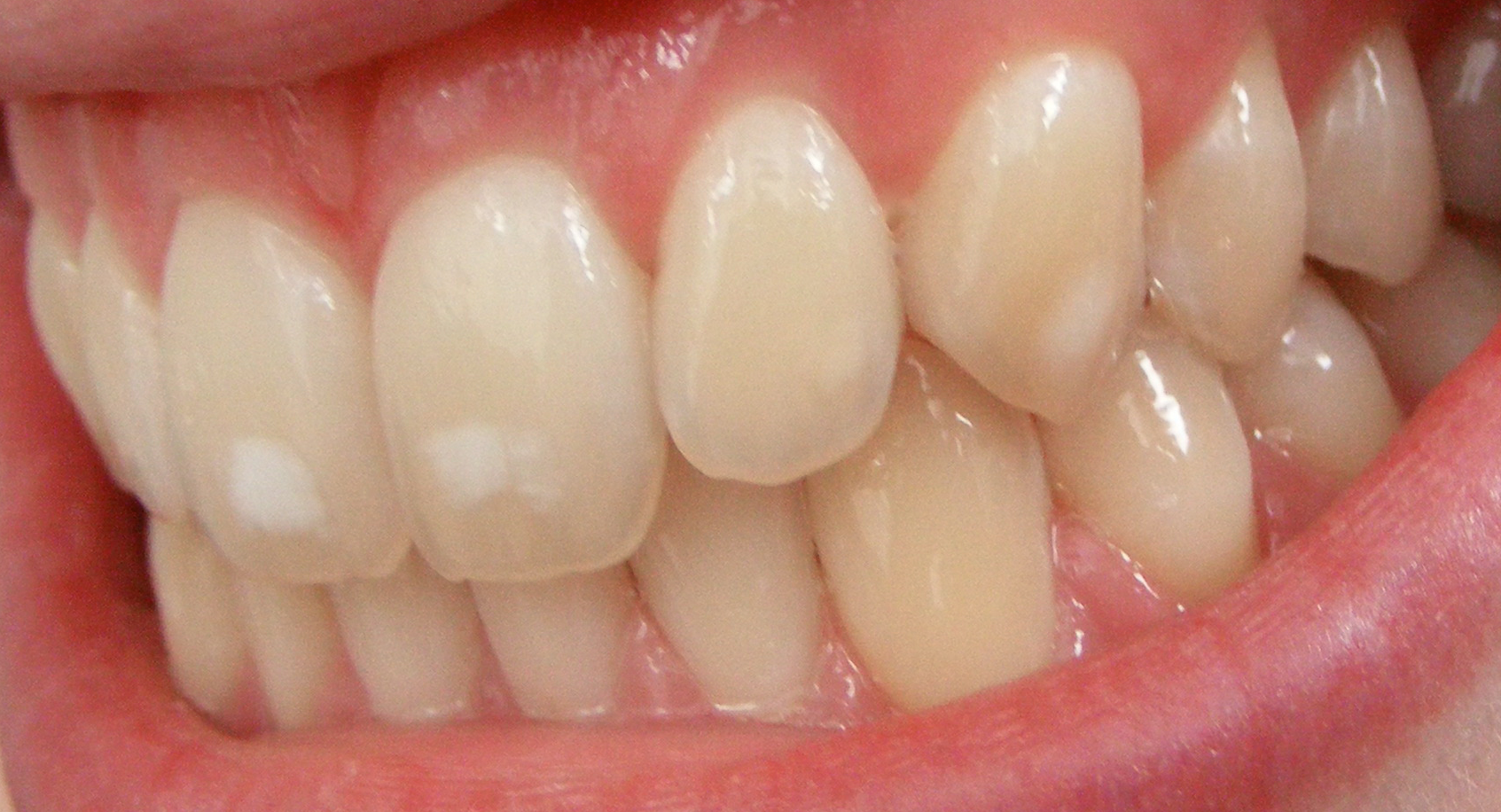
Mild Fluorosis
- Typical appearance: Fine white streaks, small opaque areas, subtle mottling
- Common treatment direction: Observation, microabrasion, resin infiltration in selected lesions, or carefully planned whitening
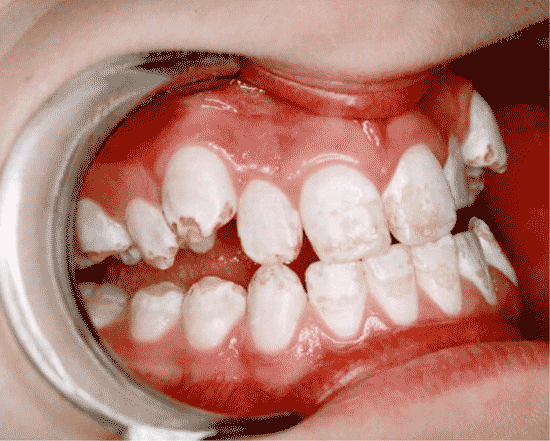
Moderate Fluorosis
- Typical appearance: More visible white areas, yellow-brown stains, greater shade variation
- Common treatment direction: Microabrasion ± whitening, composite bonding, or other conservative cosmetic combinations
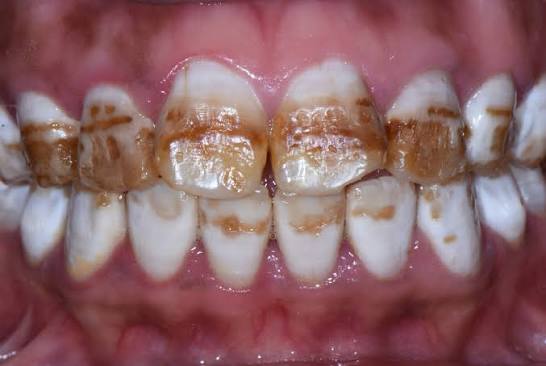
Severe Fluorosis
- Typical appearance: Dark stains, pitting, rough enamel or structural surface changes
- Common treatment direction: Composite restorations, porcelain veneers or other restorative options after full assessment
These categories are a practical guide rather than a prescription. Two patients with similar-looking stains may need different treatment because the depth of the defect, enamel thickness, bite, tooth shape, existing restorations and aesthetic goals can differ.
DIAGNOSIS
How Is Dental Fluorosis Diagnosed?
Diagnosis begins with a clinical examination. The dentist evaluates the colour, distribution, symmetry and surface texture of the enamel and asks about childhood residence, drinking-water sources and other possible fluoride exposure.
A fluorosis assessment may include:
- Examination of the number and pattern of affected teeth
- Assessment of white, yellow or brown discoloration
- Evaluation for pitting, roughness or enamel loss
- Dental photographs for shade and smile analysis
- Review of dental and childhood exposure history
- Assessment for decay, old restorations, gum health and bite
- Differential diagnosis to rule out other causes of white spots or enamel defects
COMPARISON
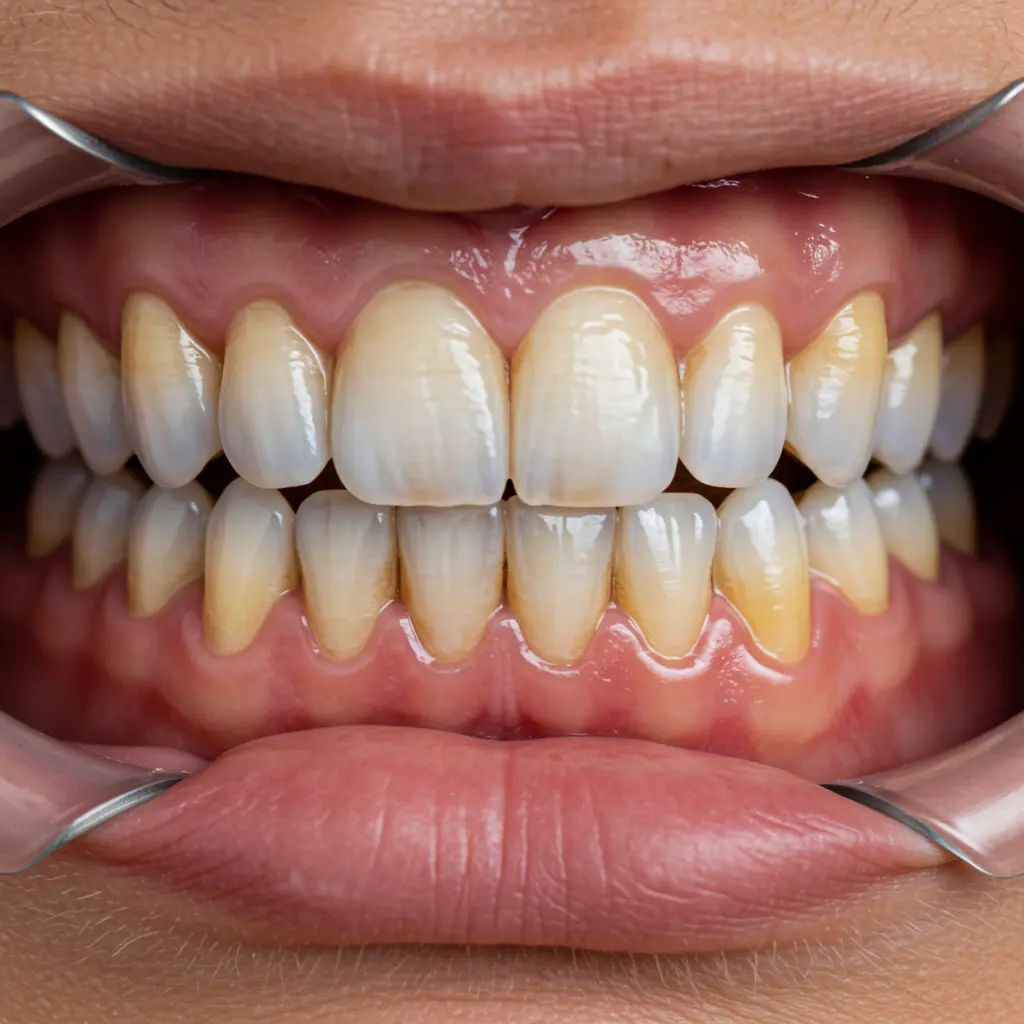
Dental Fluorosis vs White Spots on Teeth
A common mistake is to treat every white spot as fluorosis. Fluorosis tends to affect multiple teeth and often follows a symmetrical developmental pattern. By contrast, a post-orthodontic white spot may occur around the former position of a bracket, early demineralisation may appear close to plaque-retentive areas, and enamel hypoplasia can be localised to one or a few teeth.
The distinction matters because the most suitable treatment for a superficial fluorosis stain may not be the best treatment for an active white-spot lesion or a deeper developmental defect.
TREATMENT
Dental Fluorosis Treatment Options in Hyderabad
There is no single “best” treatment for all fluorosis. Good cosmetic treatment follows a stepwise principle: use the least invasive option that can predictably achieve the patient’s goal while preserving healthy tooth structure.
Enamel Microabrasion
Enamel microabrasion removes a very thin superficial layer of enamel under controlled conditions. It can be useful when fluorosis-related discoloration is concentrated near the enamel surface, particularly in mild to selected moderate cases.
- Conservative approach for superficial defects
- Useful for selected white or brown surface mottling
- Can be combined with other cosmetic procedures when required
- Not suitable for every deep or pitted defect
Professional Teeth Whitening
Professional whitening may help selected patients by changing the overall tooth shade and reducing the visual contrast of some discoloration. However, fluorosis does not behave like ordinary surface staining. White opaque areas can sometimes appear more noticeable immediately after bleaching, especially while teeth are dehydrated.
For this reason, whitening should be planned after a fluorosis assessment rather than used as a trial-and-error home remedy. In some cases it is used alone; in others it is combined with microabrasion or restorative treatment.
Composite Bonding / Composite Veneers
Composite resin can be layered directly over selected areas or over the visible surface of a tooth to mask discoloration, improve shape and correct minor surface defects. It can be a tooth-conserving option for moderate fluorosis and selected severe cases.
- Can mask deeper discoloration more effectively than whitening alone
- Allows simultaneous correction of minor shape or contour concerns
- Often requires less tooth reduction than indirect ceramic treatment
- May need maintenance, polishing or replacement over time
Porcelain Veneers
Porcelain veneers may be considered when fluorosis causes extensive discoloration, pitting or aesthetic changes that cannot be predictably managed with more conservative methods. Veneers are custom-made ceramic restorations bonded to the front surface of teeth.
They can provide strong colour masking and control over tooth shape and proportion, but they are not automatically the first choice. The decision should consider enamel quality, bite, tooth position, the number of teeth involved and the amount of preparation required.
Full-Coverage Restorations in Selected Cases
Crowns are generally more invasive than veneers or bonding and should not be recommended solely because a tooth is discoloured. They may be appropriate when a severely affected tooth also has substantial structural damage, large existing restorations or another restorative indication. The aim is to preserve as much healthy tooth structure as reasonably possible.
TREATMENT PLANNING
Which Treatment Is Best for My Fluorosis?
The most appropriate treatment depends on what is actually visible in your smile and how deep the enamel change is. A useful treatment sequence is to begin conservatively and escalate only when needed.
| Clinical situation | Possible approach |
|---|---|
| Very mild white lines with no surface defect | No treatment if the patient is comfortable; conservative cosmetic options if appearance is a concern |
| Superficial white/brown mottling | Microabrasion; whitening may be considered depending on the pattern |
| Moderate discoloration that remains visible | Combination treatment or composite bonding |
| Deep brown discoloration or multiple visible defects | Composite veneers or porcelain veneers after smile and bite assessment |
| Pitted/structurally compromised teeth | Restorative treatment selected according to remaining tooth structure |
Can Dental Fluorosis Be Removed Completely?
The developmental enamel change itself is permanent. Treatment does not reverse the way the enamel originally formed. Instead, cosmetic dentistry improves the visible appearance by removing a controlled superficial layer, changing the overall shade, masking discoloration or covering a defective surface.
The goal should be a natural-looking improvement—not a promise that every trace of fluorosis can be erased in every patient.
Can Fluorosis Be Treated Without Veneers?
Yes, many mild and some moderate cases can be improved without porcelain veneers. Microabrasion, carefully planned whitening, resin-based techniques or direct composite bonding may provide sufficient improvement. Veneers are generally considered when the discoloration or surface changes are too deep or extensive for conservative options to meet the patient’s goals.
How Long Does Dental Fluorosis Treatment Take?
Treatment time depends on the method and number of teeth involved. Conservative procedures may be completed in one or a small number of visits. Direct composite treatment can often be completed efficiently in suitable cases. Porcelain veneers require planning, preparation when indicated, laboratory fabrication and final bonding, so they generally involve multiple stages.
After examination, your dentist can give you a realistic sequence, number of visits and maintenance plan.
Dental Fluorosis Treatment Cost in Hyderabad
There is no single fluorosis treatment price because the condition ranges from faint white lines on a few teeth to deeper discoloration and pitting across the smile. The final cost depends on the treatment selected and the number of teeth that actually require treatment.
Factors that influence cost include:
- Severity and depth of fluorosis
- Number of visible teeth involved
- Whether treatment is microabrasion, whitening, bonding, veneers or a combination
- Composite or ceramic material selected
- Need for smile design, gum treatment or replacement of old restorations
- Complexity of colour masking and aesthetic layering
A clinical assessment is the most accurate way to obtain a personalised estimate. A good consultation should also explain conservative alternatives so you can compare treatment scope, longevity and cost.
HYDERABAD
Dental Fluorosis Treatment in Hyderabad: Why Local Assessment Matters
Fluorosis is especially relevant in parts of India where groundwater fluoride exposure has historically been a public-health concern. For patients in Hyderabad, the key clinical question is not simply whether a tooth has a stain—it is whether the pattern represents fluorosis and, if so, which treatment can improve it with the least unnecessary removal of tooth structure.
At Mohan Dental Clinic, Dr. Mohan Rayapudi provides cosmetic dental assessment and treatment planning for fluorosis-affected teeth. The clinic has two Hyderabad locations, allowing patients to choose the branch that is more convenient.
Dental Fluorosis Treatment in Kukatpally
Patients looking for dental fluorosis treatment in Kukatpally can visit Mohan Dental Clinic at Metro Pillar No. A 827, Balaji Nagar Main Road, above HDFC Bank, Kukatpally, Hyderabad, Telangana 500072.
Kukatpally appointments: +91 83740 79369
Dental Fluorosis Treatment in Kondapur
Patients looking for dental fluorosis treatment in Kondapur, Gachibowli or the nearby Hitec City area can visit Mohan Dental Clinic at 2nd Floor, Sri Mytri Square, Miyapur-Gachibowli Road, opposite Sarath City Capital Mall, Kondapur, Hyderabad, Telangana 500084.
Kondapur appointments: +91 83740 77882
YOUR DENTIST
Why Choose Dr. Mohan Rayapudi for Fluorosis-Related Smile Treatment?
Fluorosis treatment sits at the intersection of diagnosis, conservative dentistry and smile aesthetics. The treatment should not be chosen from a photograph alone or based only on the darkest stain.
- MDS-qualified dentist trained at Manipal University
- Experience in cosmetic dentistry and smile design
- Access to conservative options such as enamel microabrasion and direct composite treatment
- Porcelain veneer options for appropriately selected cases
- Treatment planning focused on natural tooth proportions and shade
- Two clinic locations in Kukatpally and Kondapur, Hyderabad
Clinical principle
Start with the least invasive predictable option. Move to bonding or ceramic restorations only when the depth of discoloration, enamel condition or aesthetic requirement justifies it.
RESULTS
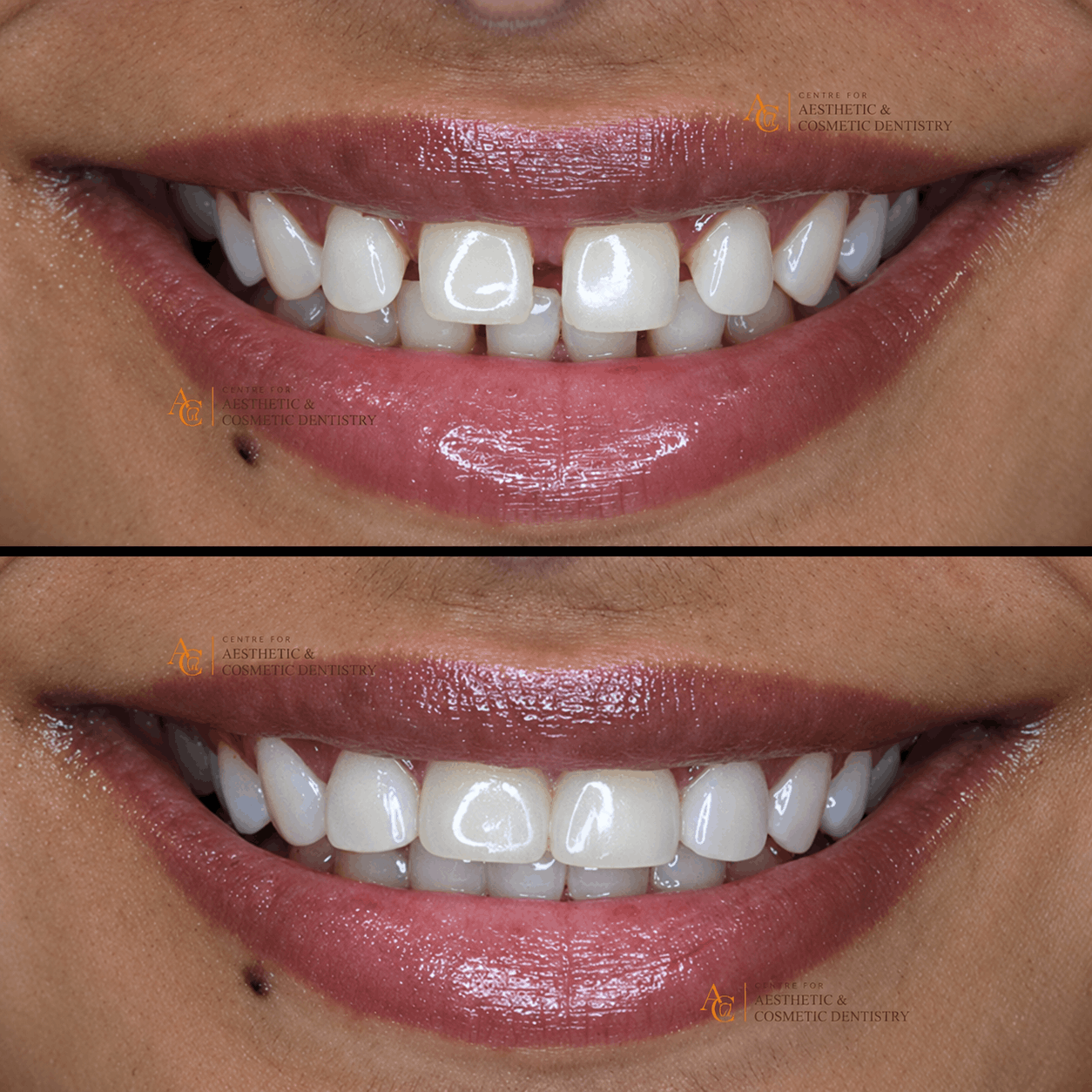
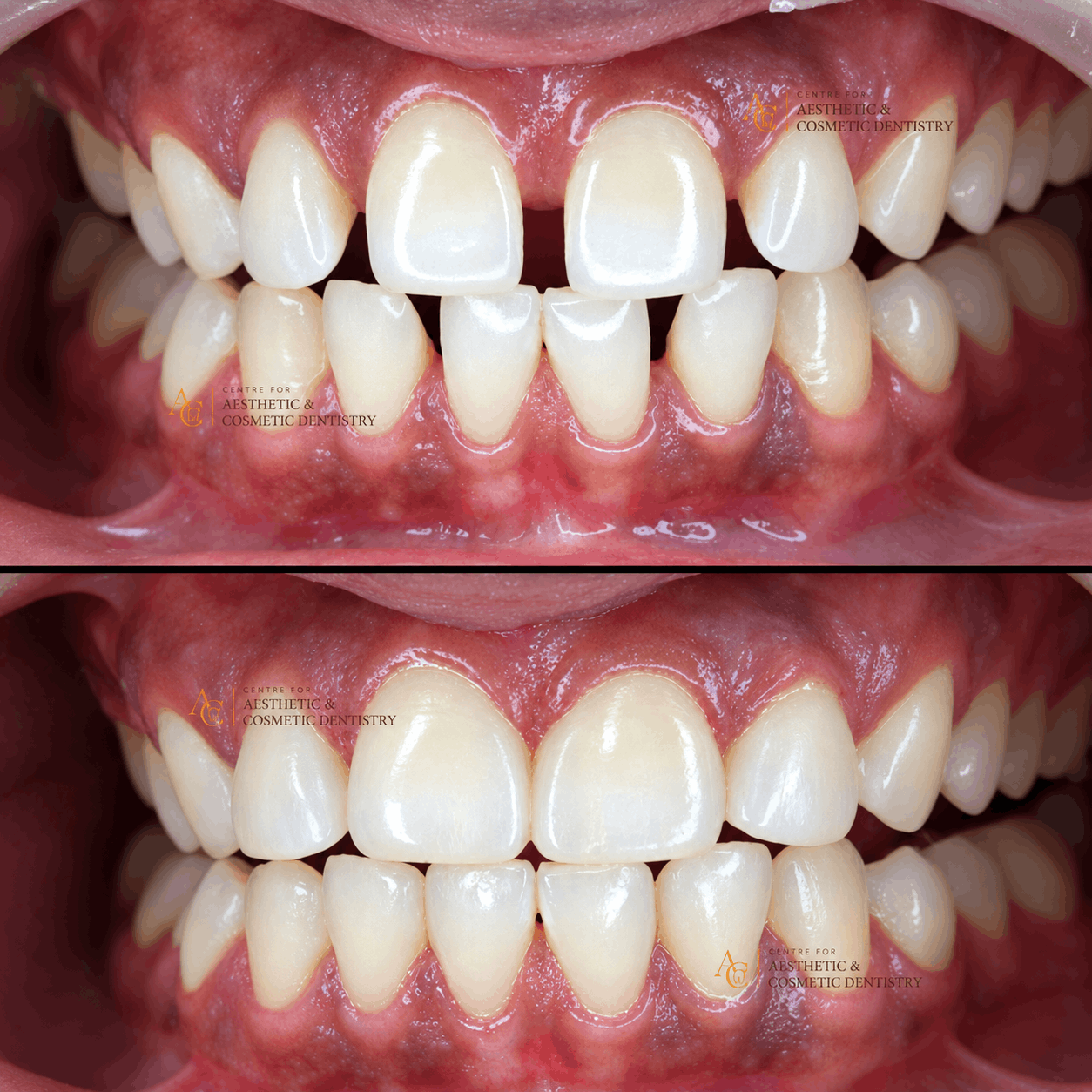
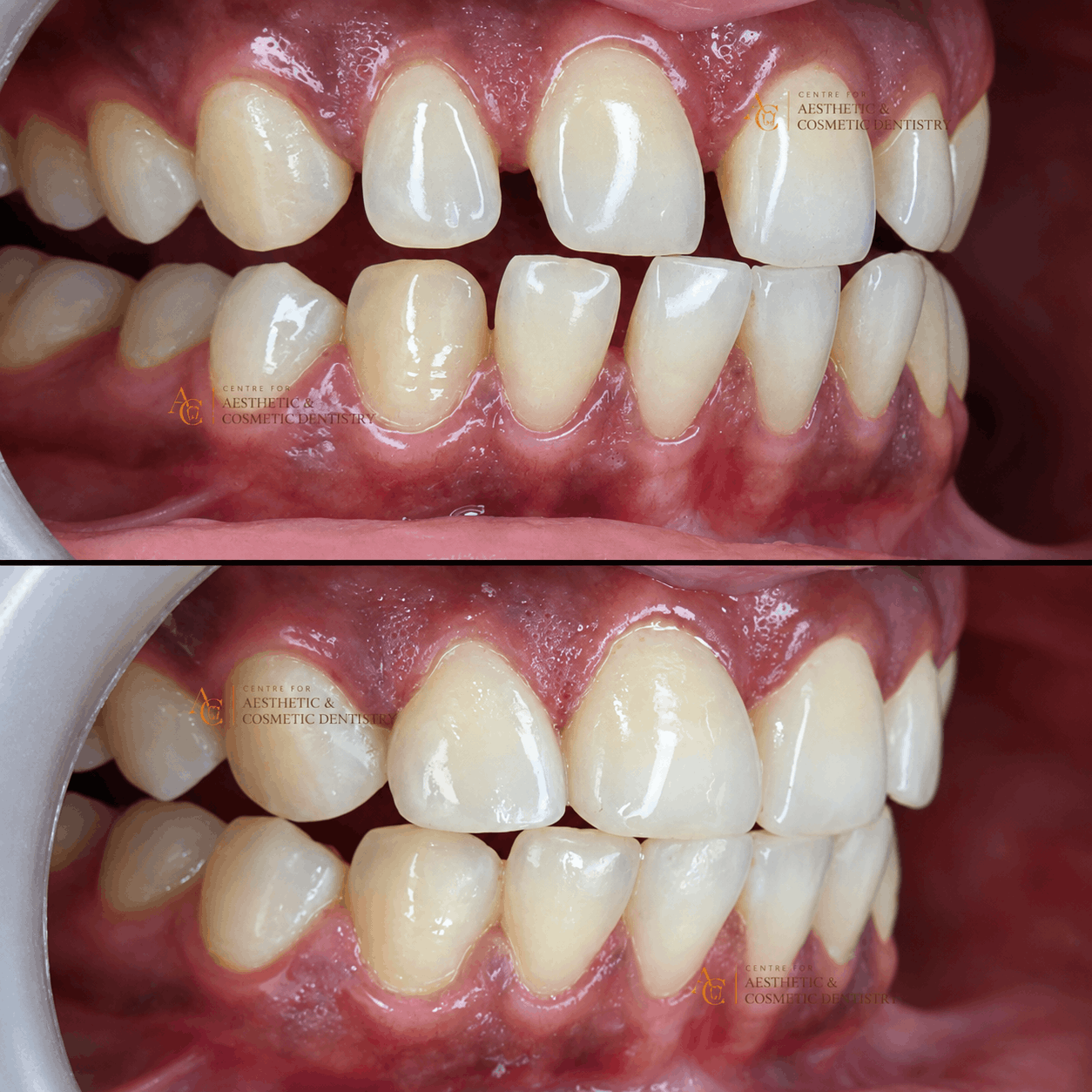
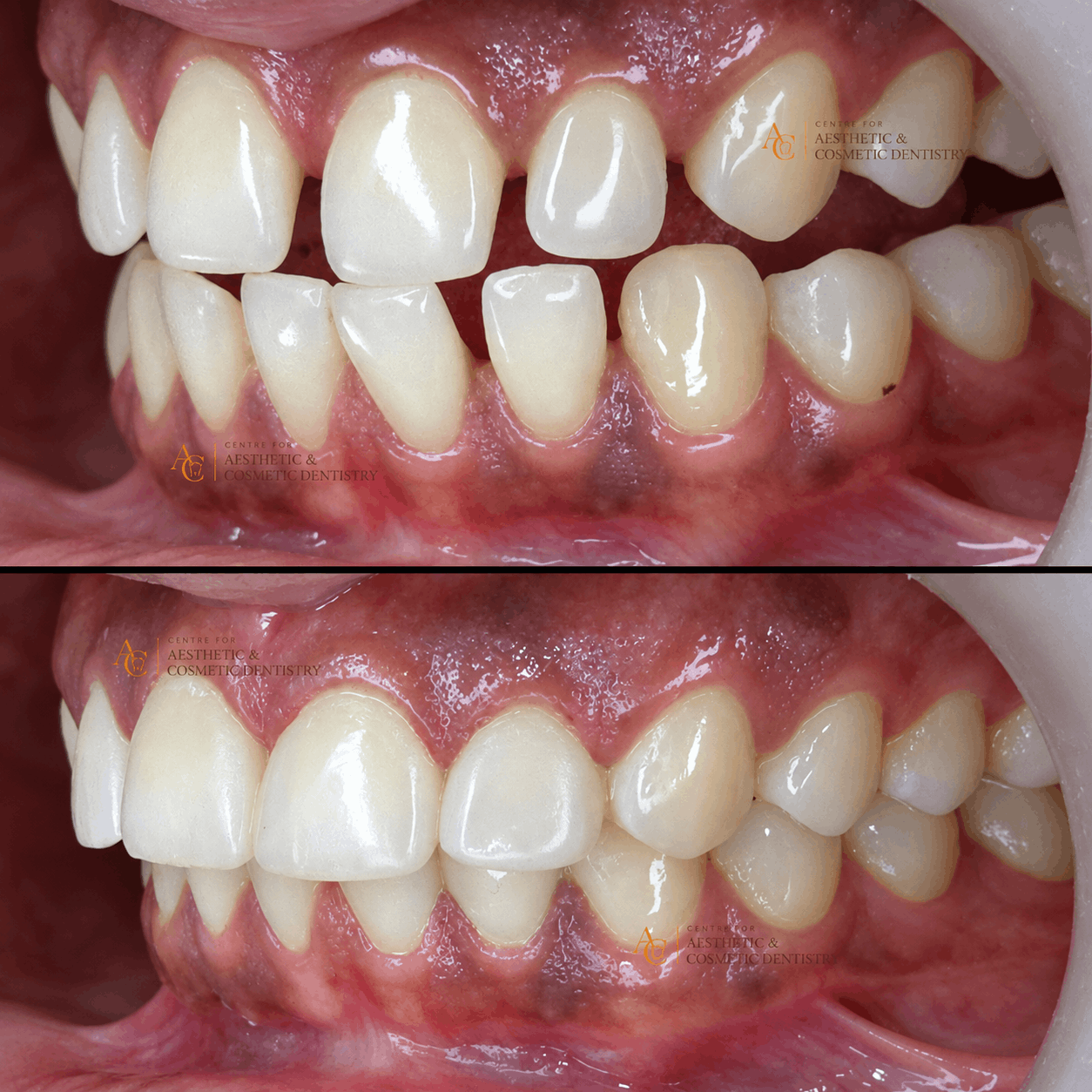
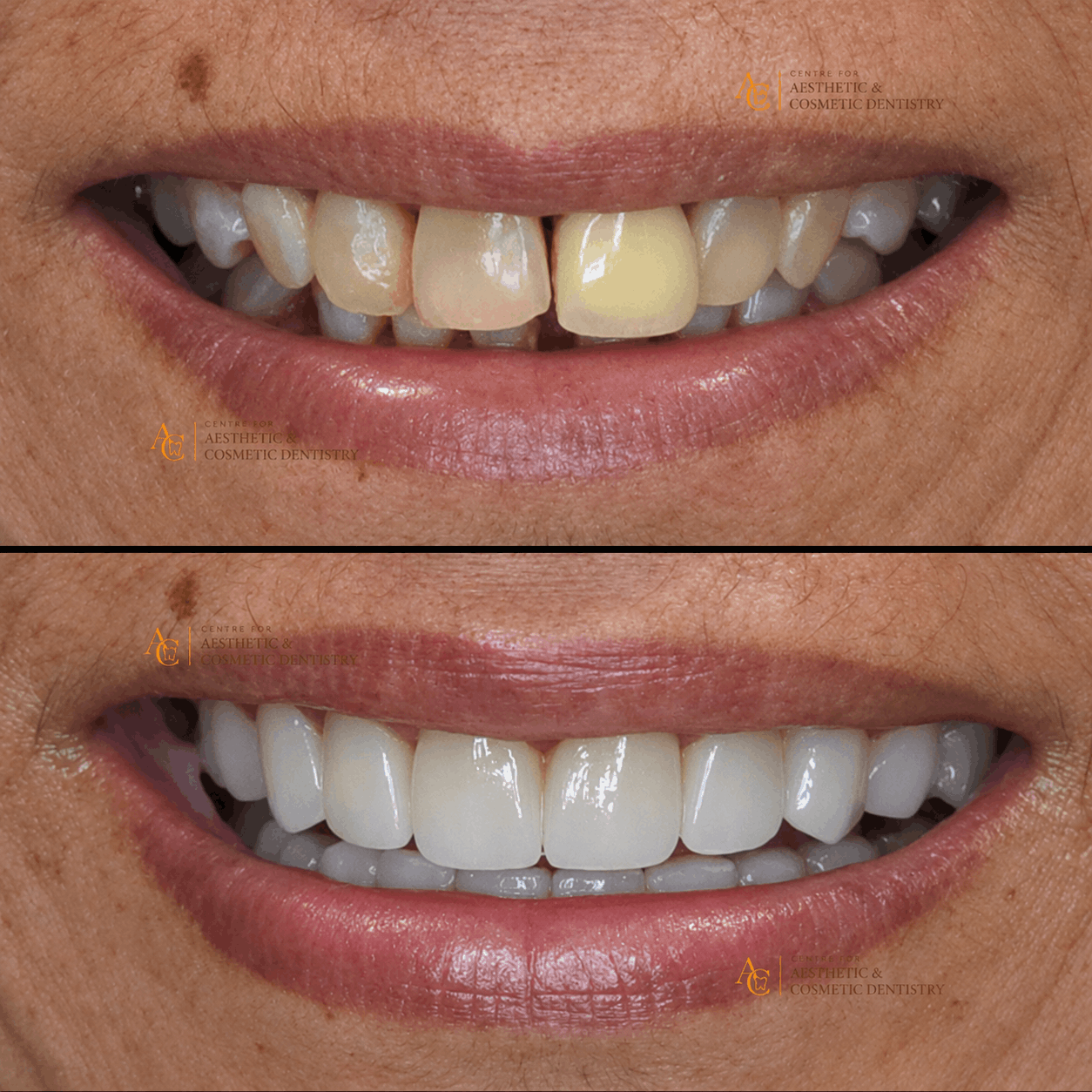
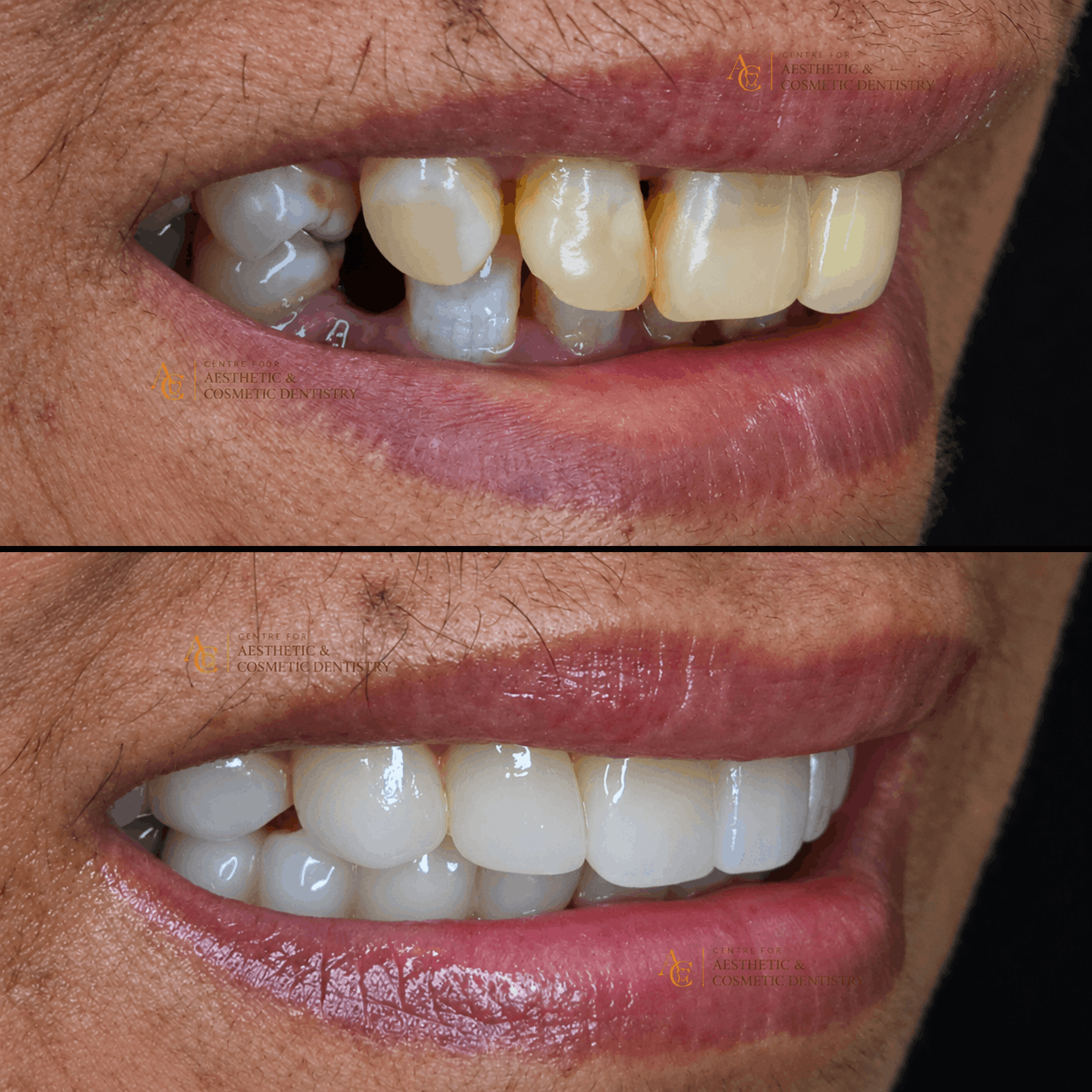
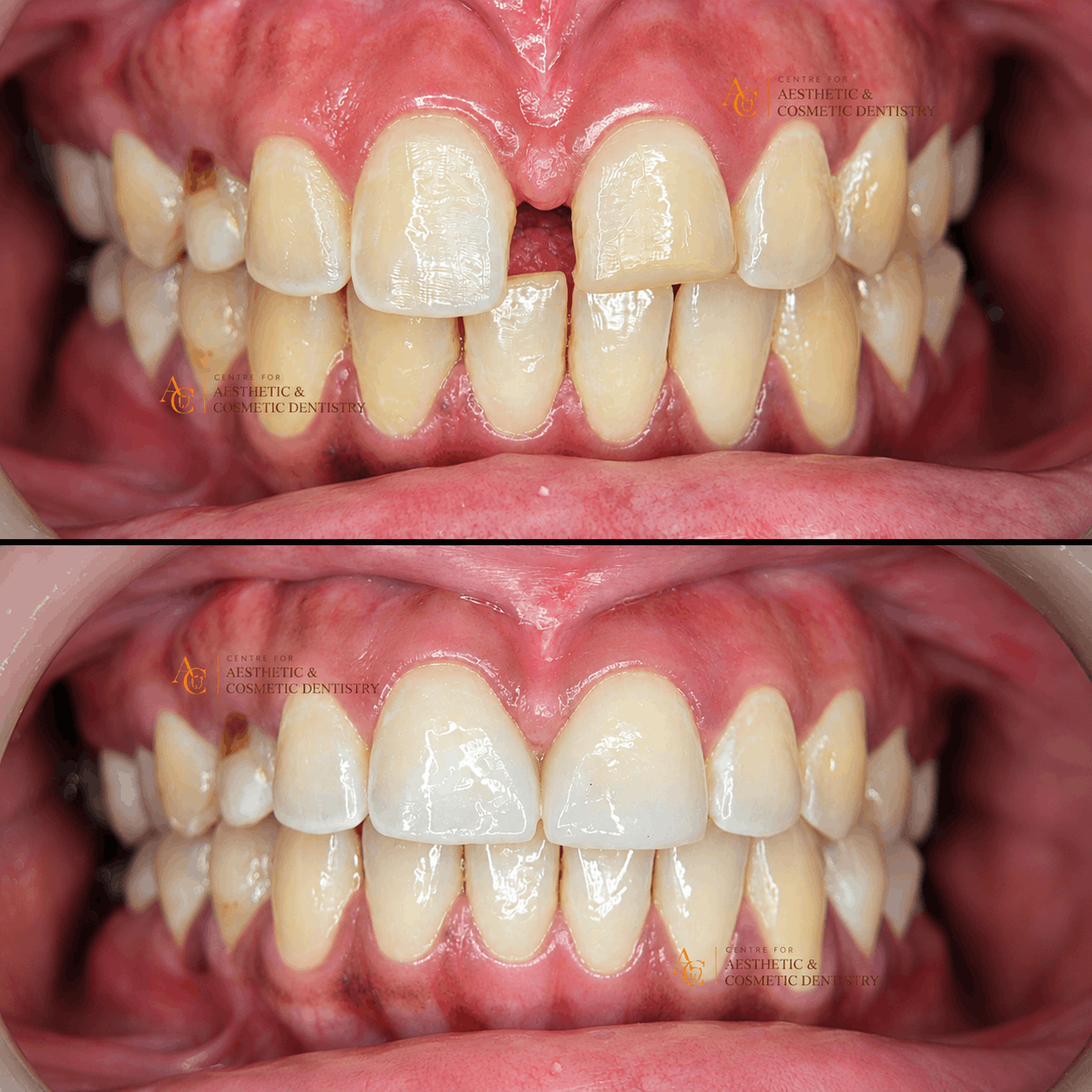
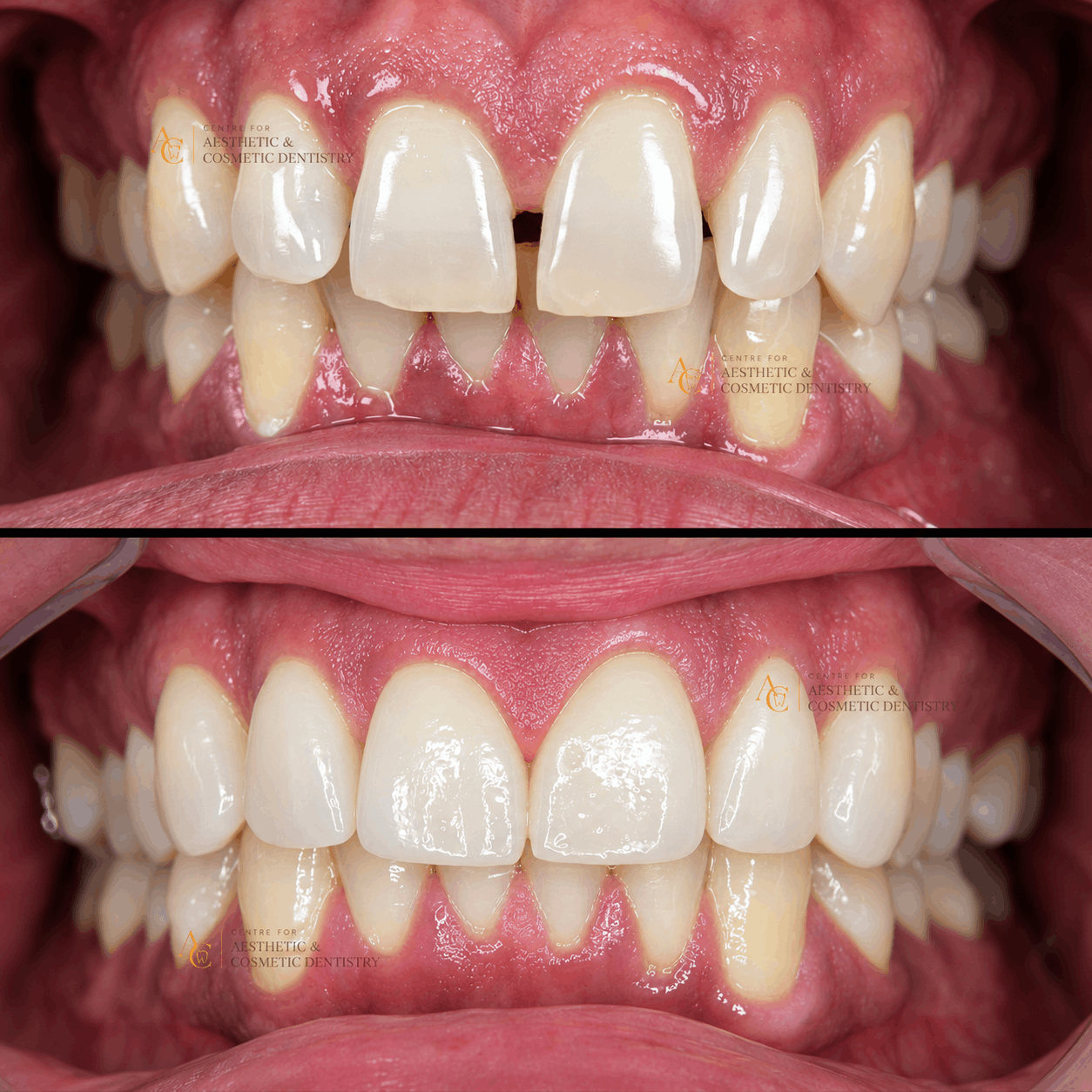
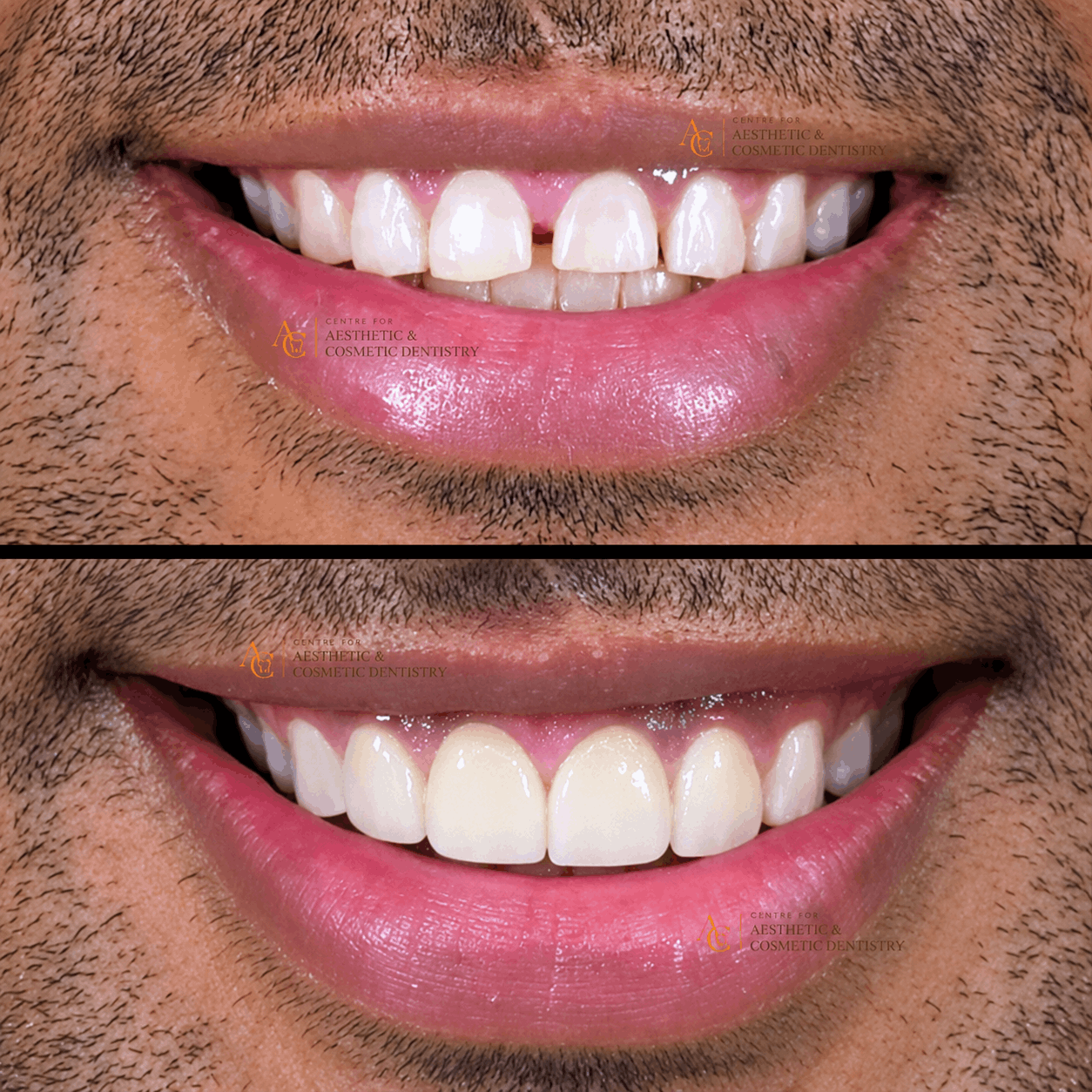
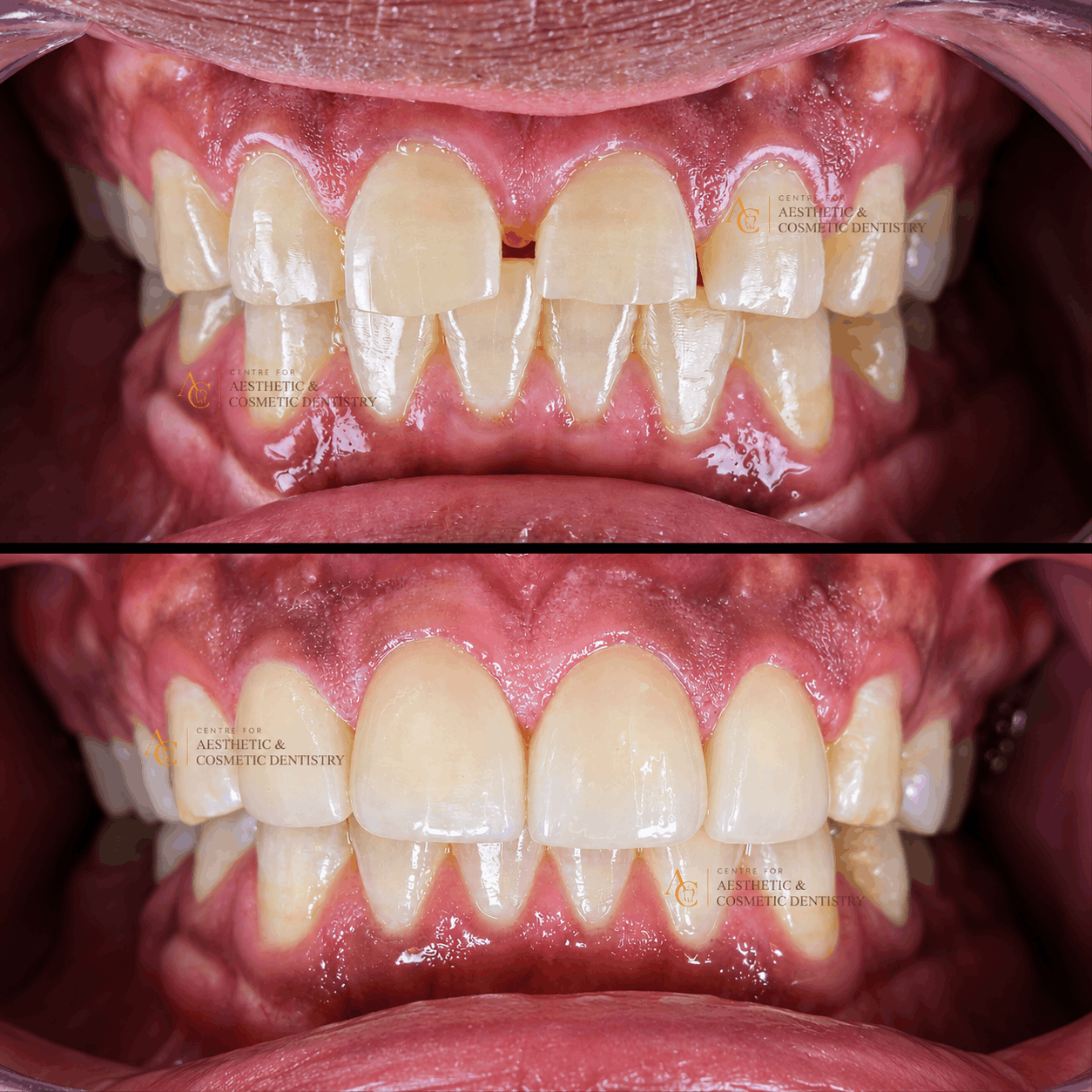
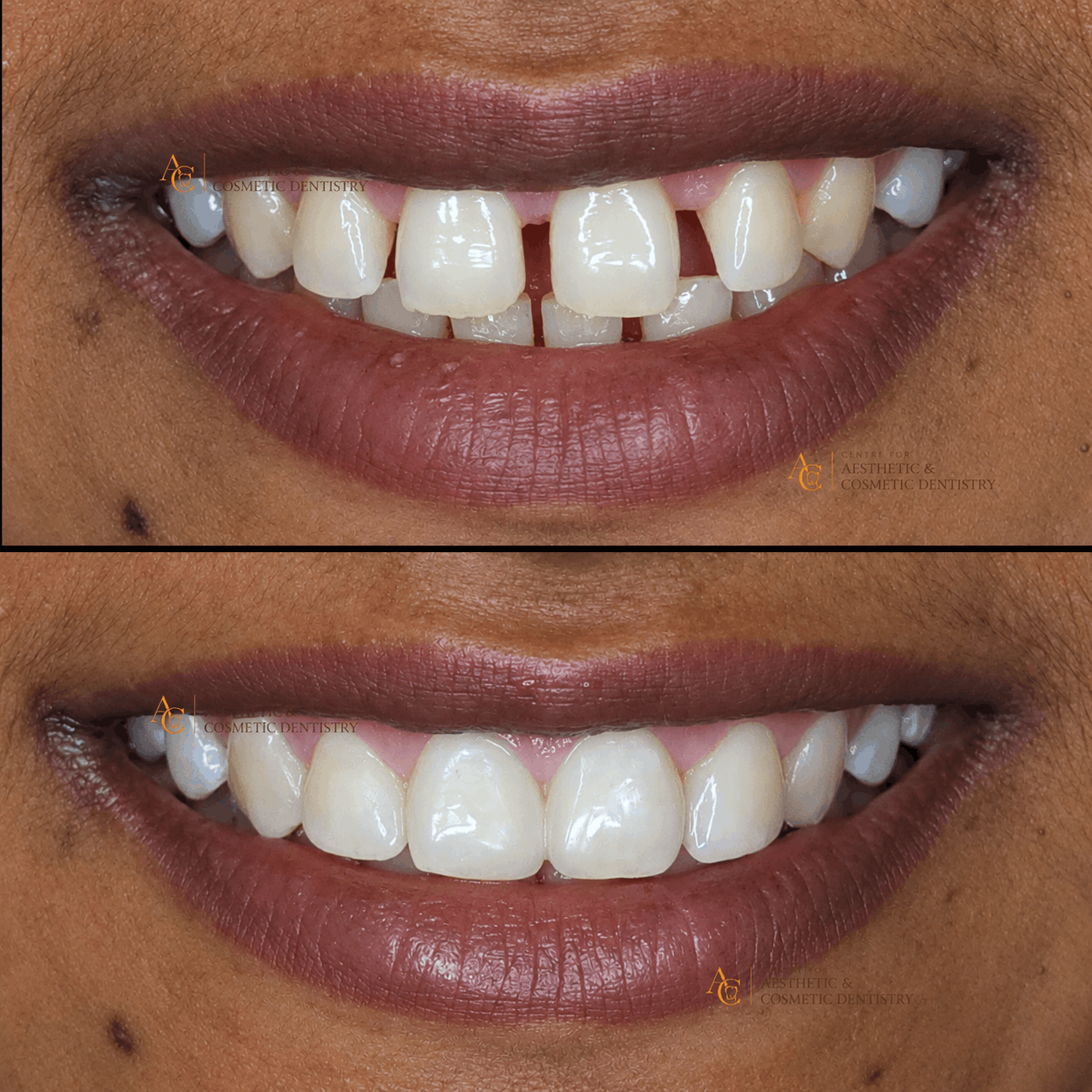
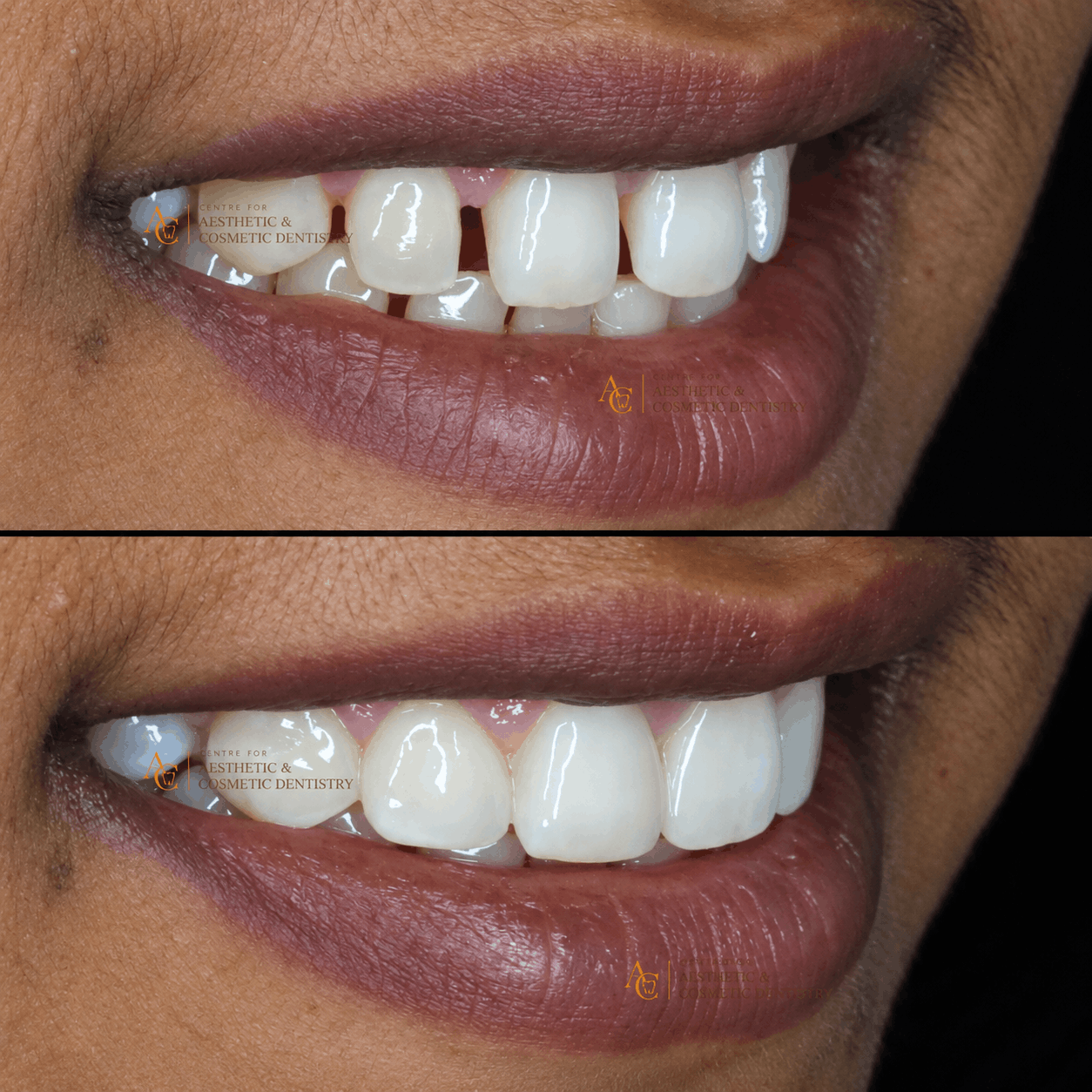
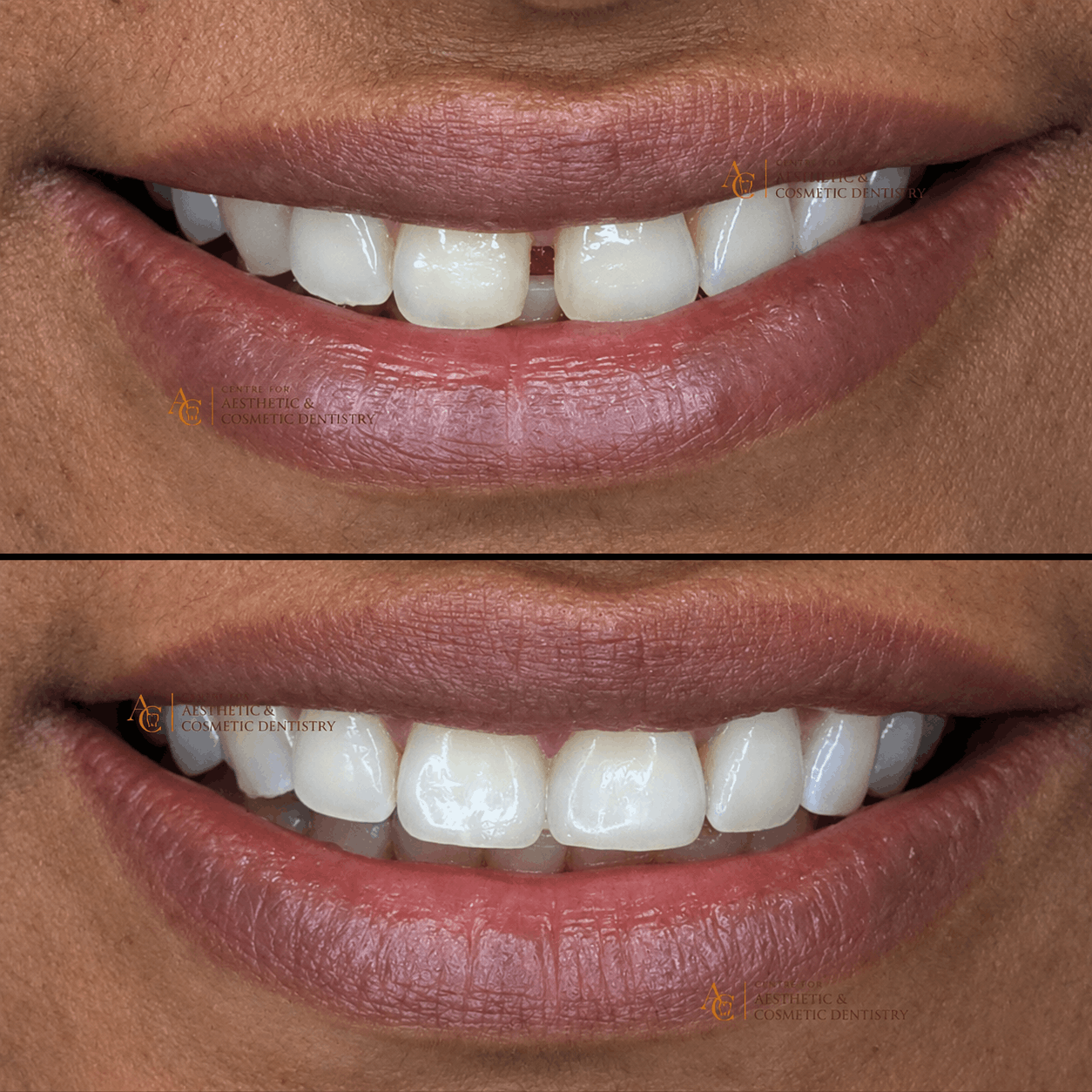
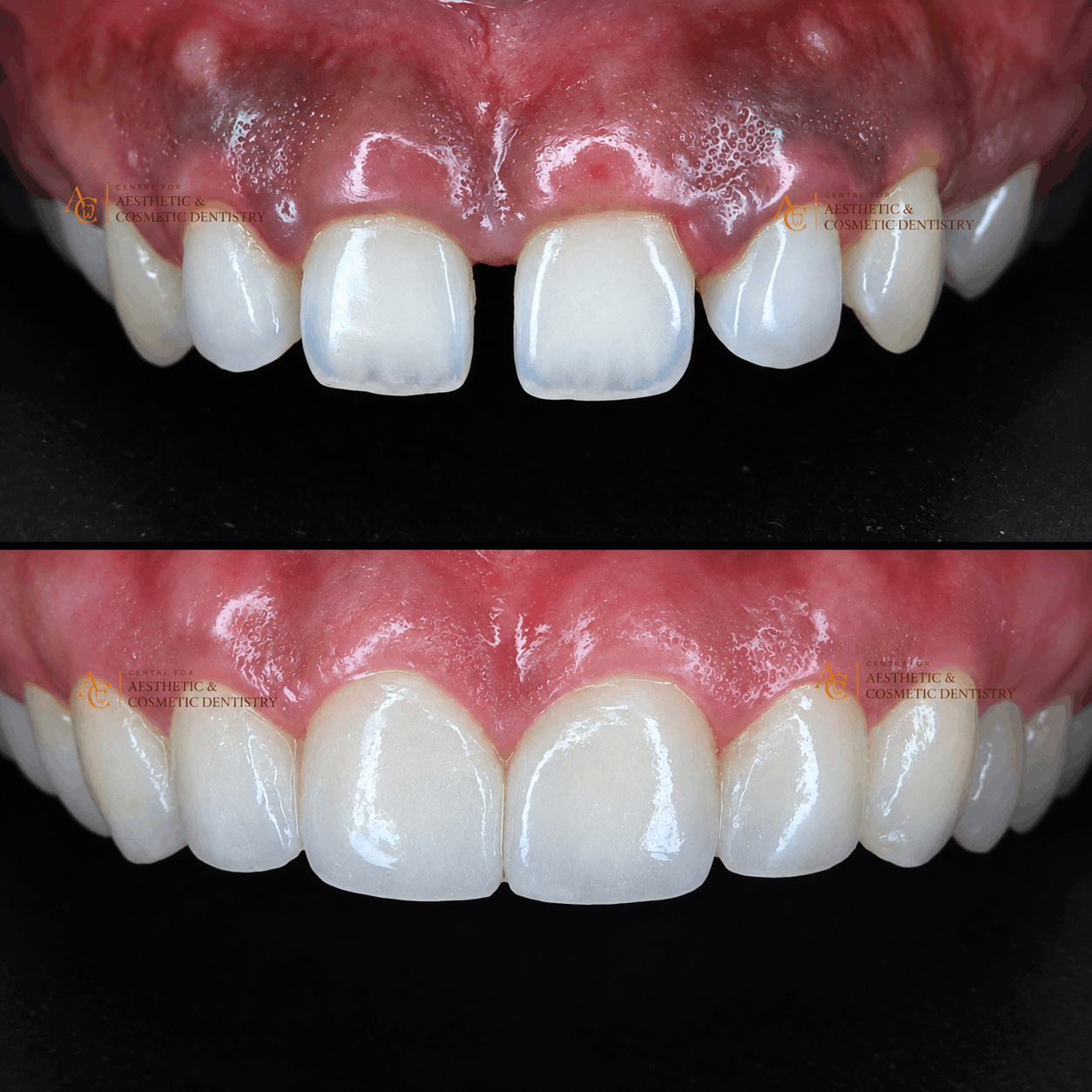
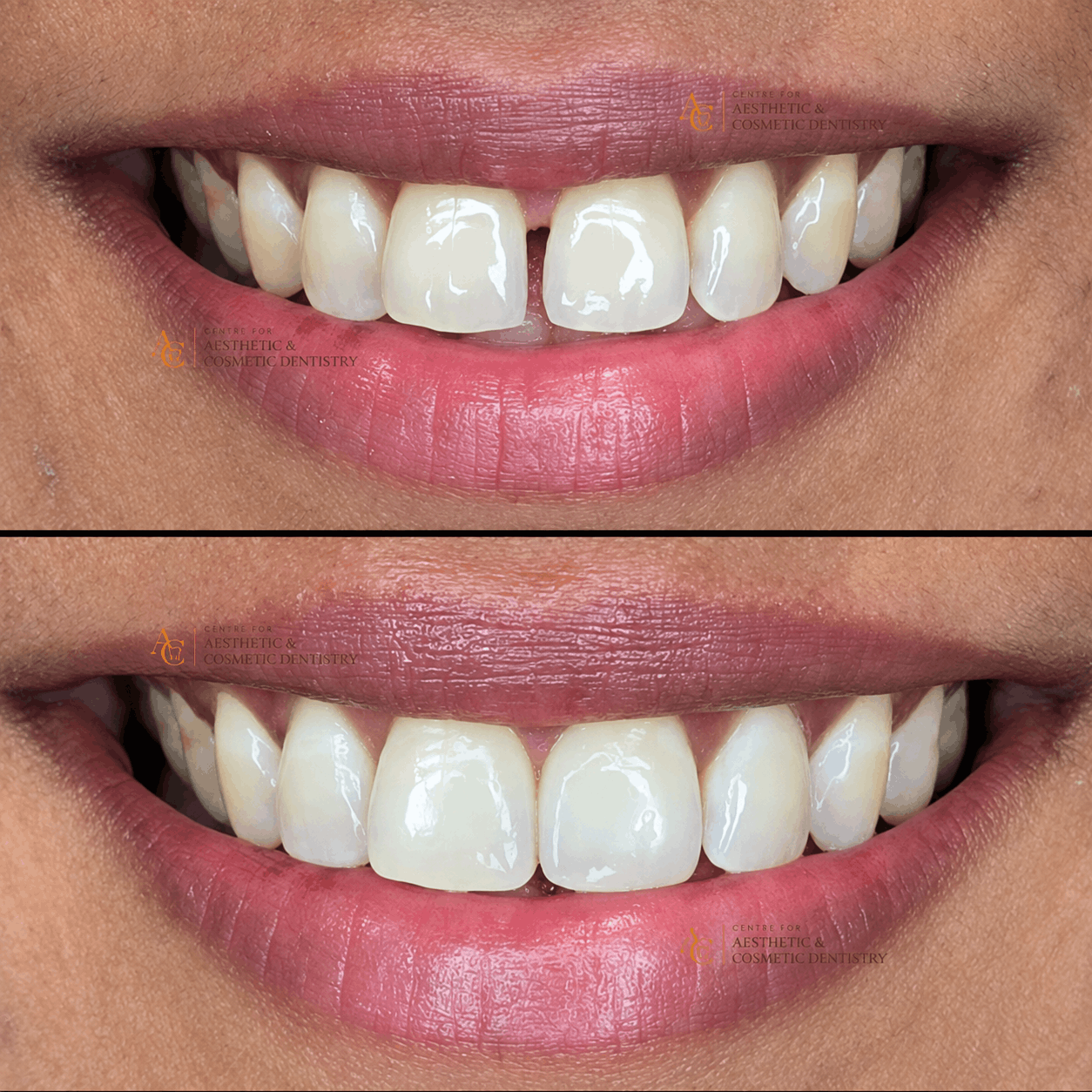
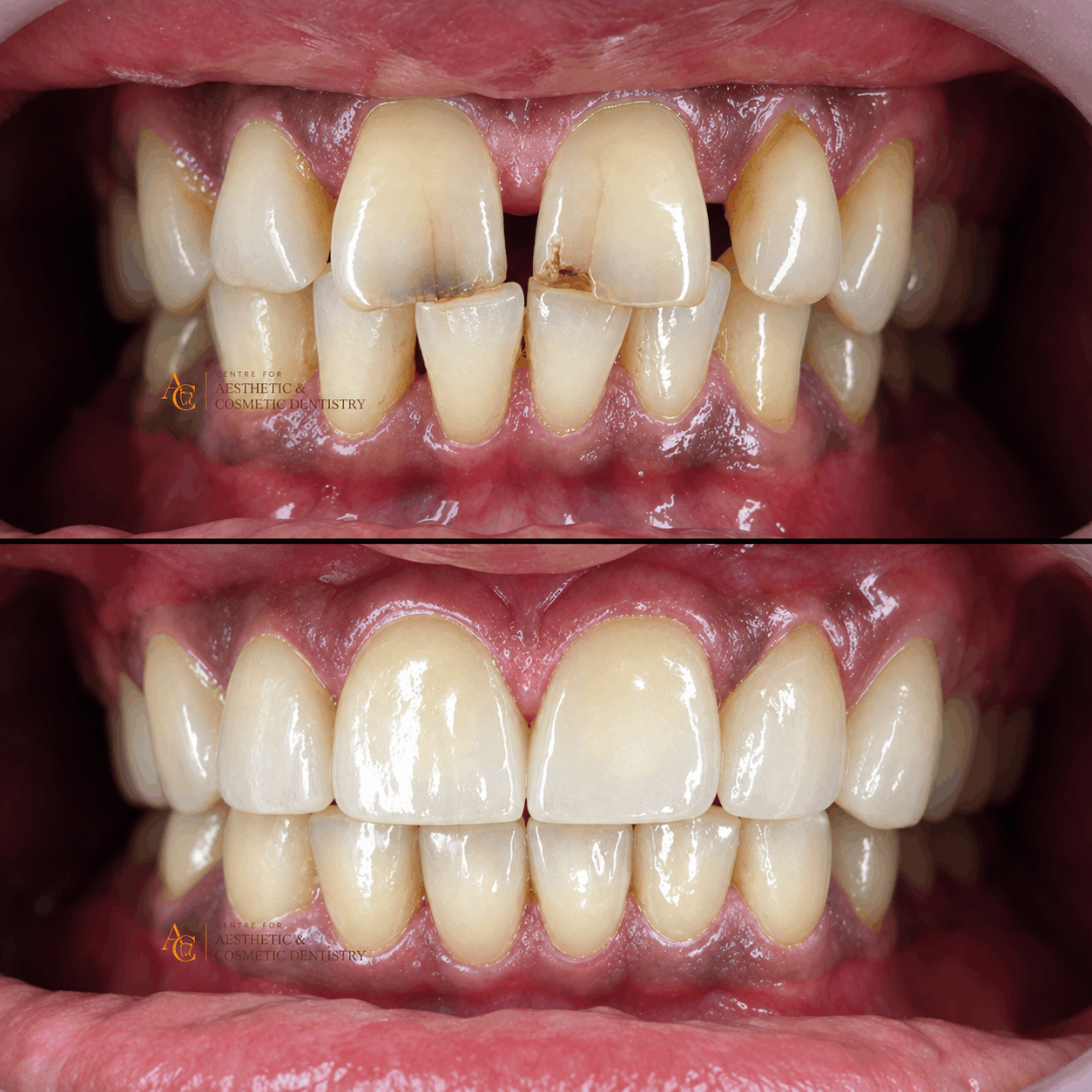
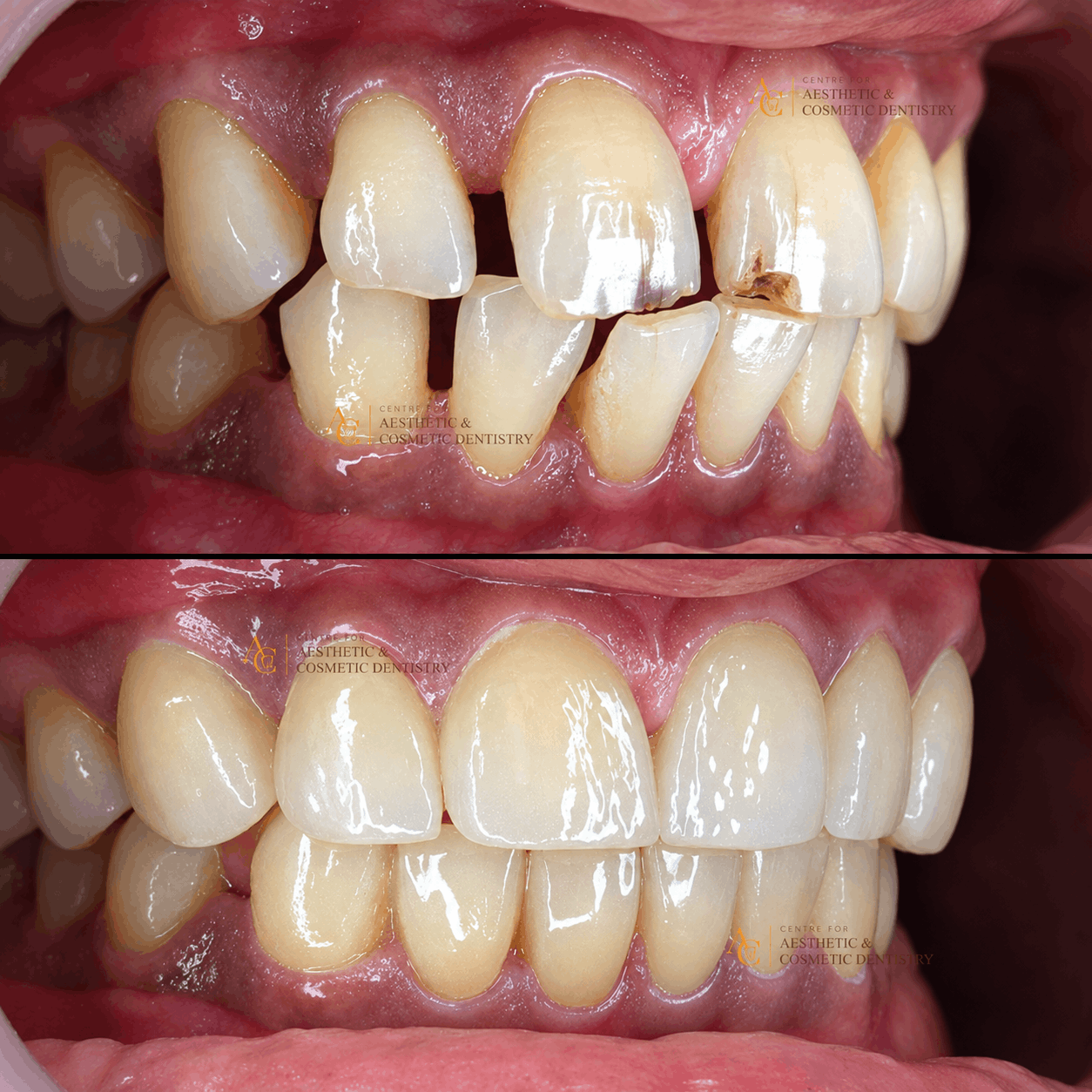
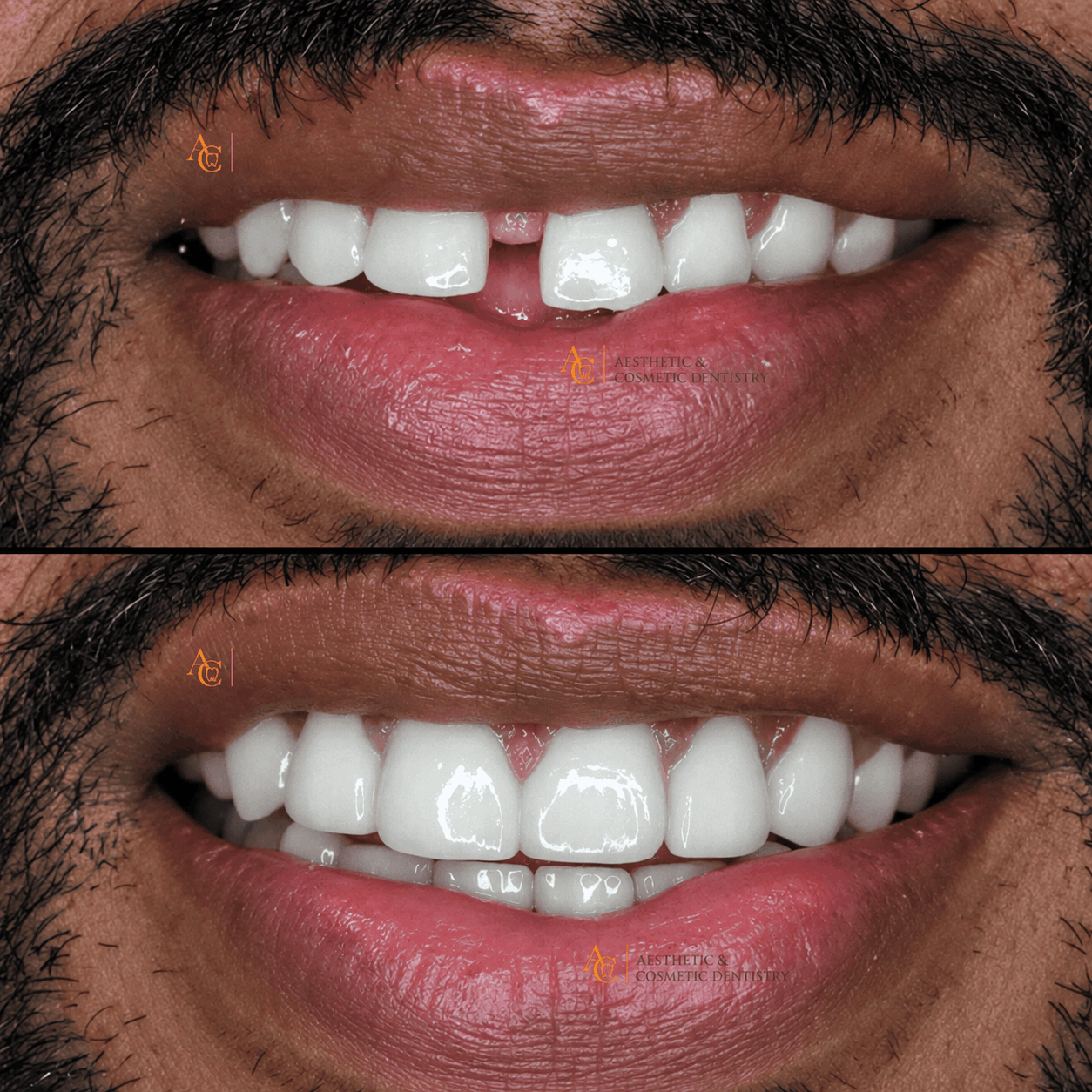
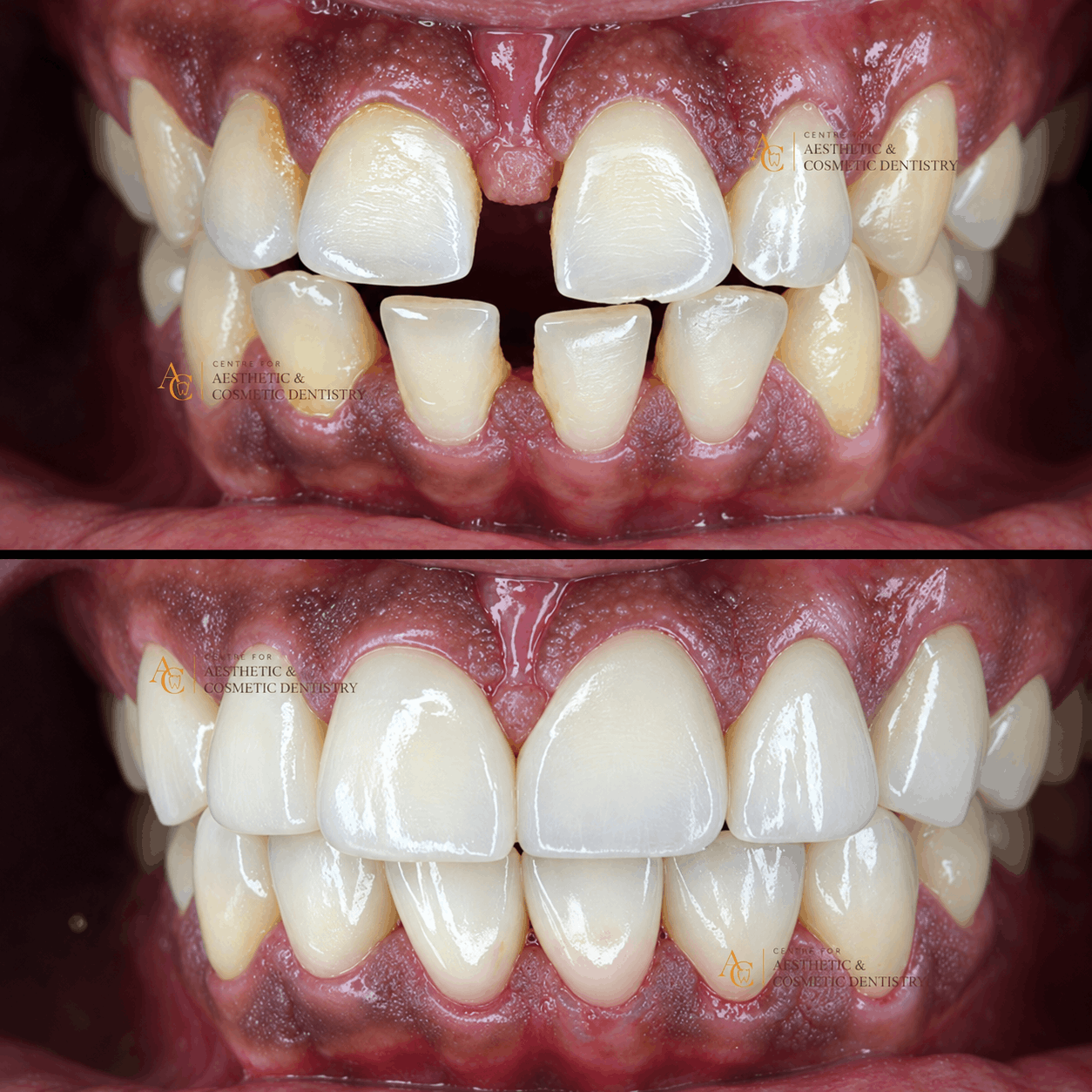
Before and After Fluorosis Treatment
Before-and-after photographs are useful when they represent genuine, consented cases and clearly state which treatment was performed.
Results vary between patients. Photography should use consistent lighting and angles and should not imply that the same result is guaranteed for every case.
PREVENTION
How to Reduce the Risk of Dental Fluorosis in Children
Prevention focuses on avoiding excessive fluoride exposure while permanent teeth are developing, while still preserving fluoride’s proven benefit in preventing tooth decay.
- Supervise young children while brushing so toothpaste is not routinely swallowed
- Use only an age-appropriate small amount of fluoride toothpaste
- Do not give fluoride supplements unless advised after considering the child’s total fluoride exposure
- If your household uses groundwater in a high-fluoride region, consider appropriate water testing
- Ask a dentist or paediatric dentist for advice if you are unsure about toothpaste amount or fluoride exposure
FAQS
Frequently Asked Questions About Dental Fluorosis
Dental fluorosis occurs when a child receives excessive fluoride while permanent tooth enamel is developing. Common sources can include naturally high-fluoride drinking water, repeated swallowing of fluoride toothpaste or unnecessary fluoride supplementation.
Yes. The enamel change forms during tooth development and does not naturally disappear. Its visible appearance can often be improved with cosmetic dental treatment.
There is no treatment that reverses the original developmental enamel change. Dentistry can improve appearance through microabrasion, whitening in selected cases, bonding, veneers or restorative treatment.
Whitening may help some mild cases, but it does not remove every fluorosis defect. In some patterns, white areas may temporarily look more obvious after bleaching. A dentist should assess the pattern before treatment.
Microabrasion can be effective for superficial fluorosis-related discoloration. It is less useful when the defect or stain extends more deeply into the enamel.
No. Veneers are not necessary for every case. Mild and selected moderate fluorosis may respond to more conservative treatment. Veneers are considered when deeper discoloration or surface defects require stronger masking or reshaping.
Yes, direct composite can mask many moderate discolorations and correct minor surface irregularities. Suitability depends on the extent of the defect, bite and aesthetic expectations.
Very mild and mild fluorosis is often mainly an appearance issue. Severe fluorosis can be associated with pitting and more fragile or irregular enamel, which may need restorative care.
Cost depends on severity, number of teeth and treatment type. Conservative procedures generally have a different fee structure from multi-tooth composite or porcelain veneer treatment. An examination is needed for an accurate estimate.
No. Dental fluorosis forms while teeth are developing. Adults may notice the appearance more over time, but normal adult use of fluoride toothpaste does not create new developmental fluorosis.
No. Fluorosis is a developmental enamel change. A cavity is tooth decay. However, a patient can have both conditions at the same time, which is why examination is important.
Fluorosis often affects several teeth in a symmetrical pattern, but appearance alone is not enough for self-diagnosis. A dentist can distinguish fluorosis from demineralisation, enamel hypoplasia and other causes.
Some conservative or direct composite procedures may be completed in one visit in suitable cases. Other treatments, especially porcelain veneers or staged combination therapy, require more than one appointment.
Look for a dentist experienced in cosmetic diagnosis and multiple treatment options, so the recommendation is not limited to whitening or veneers alone. At Mohan Dental Clinic, Dr. Mohan Rayapudi assesses fluorosis cases at Kukatpally and Kondapur.
Book a Dental Fluorosis Consultation
in Hyderabad
If white patches, brown stains or enamel mottling are affecting your smile, the first step is to confirm the diagnosis and understand how deep the changes are. A personalised assessment can show whether a conservative treatment is likely to work or whether bonding or veneers would provide a more predictable result.
Book Your Price Consultation
Takes less than 60 seconds. Our team will call you to confirm.
Kondapur Branch (Main)
- 2nd Floor, AMB Cinemas, Sri Mytri Square, Miyapur-Gachibowli Road, Opposite Sarath City Capital Mall, Kondapur, Hyderabad, 500084
- +91 8374077882
Kukatpally Branch
- Metro Pillar No: A, 1st Floor, 827, Balaji Nagar Main Rd, above HDFC Bank, Kukatpally, Hyderabad, Telangana 500072
- +91 8374079369
Medical disclaimer: This page provides general educational information and is not a substitute for an in-person dental examination. Treatment suitability, risks, benefits, expected results and cost vary by individual.